
-
Rosemary Essential Oil (Rosmarinus officinalis) – 10ml | Invigorating, Cognitive Support & Hair Growth
Regular price £3.00Regular priceUnit price per -
Rosemary Essential Oil (Rosmarinus officinalis) – 50ml | Invigorating, Cognitive Support & Hair Growth
Regular price £11.20Regular priceUnit price per -
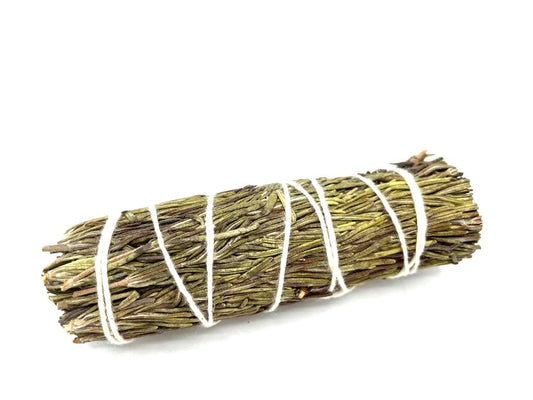
Romero Sage Smudge Stick (Rosemary) – 10cm | Traditional Cleansing & Uplifting Herb
Regular price £8.90Regular priceUnit price per -
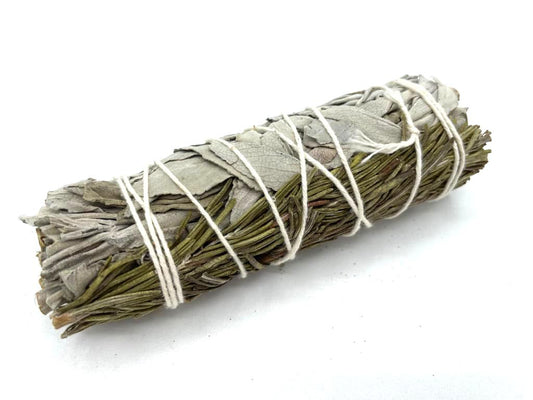
White Sage & Rosemary Smudge Stick – 10cm | Clarity & Purification Blend
Regular price £7.60Regular priceUnit price per -
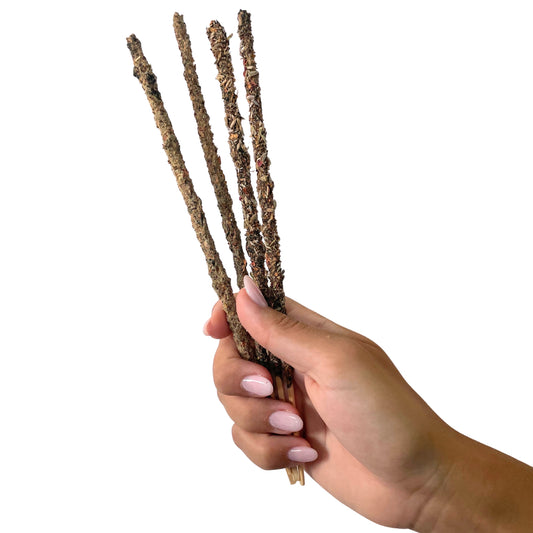
Earth-Inspired Palo Santo Smudge Incense Sticks – Rosemary (22cm) | Natural Botanical Incense for Grounding & Cleansing
Regular price £3.30Regular priceUnit price per -
Palo Santo Incense Sticks – Rosemary Blend (20g) | Cleansing & Uplifting Rituals
Regular price £12.10Regular priceUnit price per -
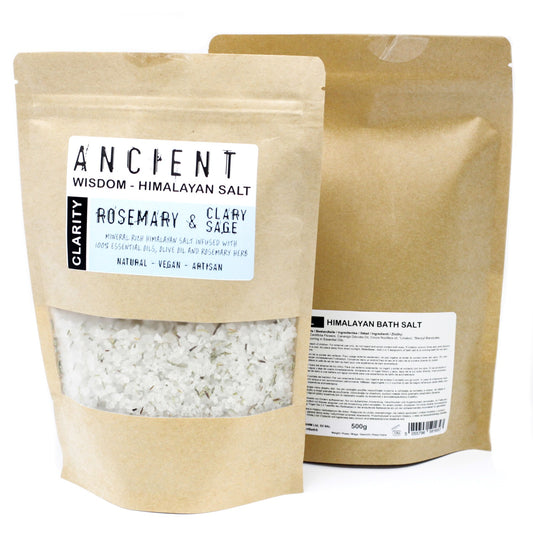
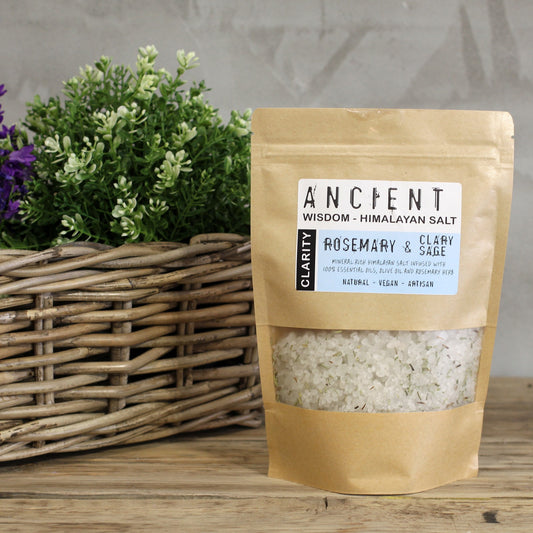
Clarity Himalayan Bath Salt Blend – 500g | Rosemary & Clary Sage Essential Oils with Olive Oil & Dried Rosemary Leaves
Regular price £5.50Regular priceUnit price per -
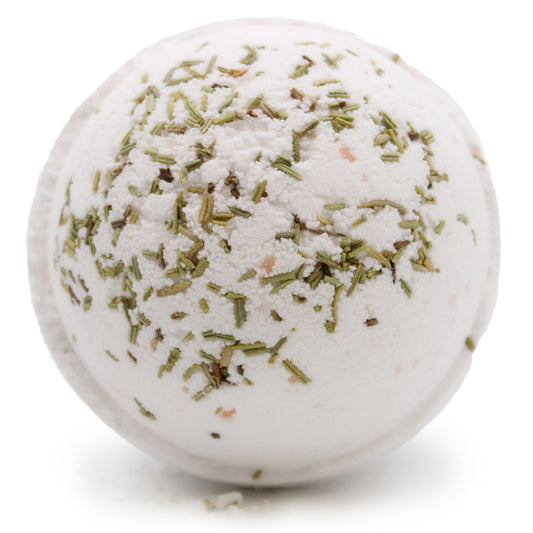
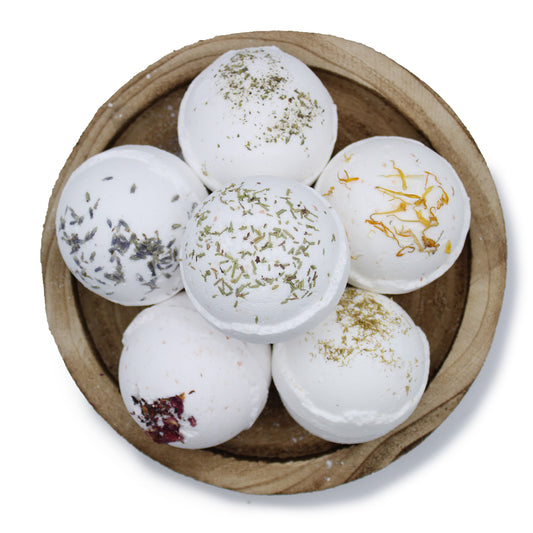
Clarity Himalayan Salt Bath Bomb – 180g | Rosemary & Clary Sage Essential Oils with Olive Oil & Dried Rosemary
Regular price £3.60Regular priceUnit price per -
Rosemary & Thyme Essential Oil Bath Bomb – 120g | Invigorating & Purifying Soak Infused with Shea Butter
Regular price £3.00Regular priceUnit price per -
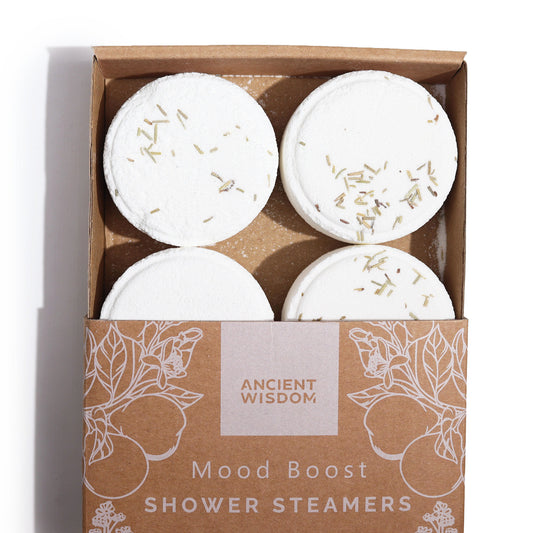
Mood Boost Aromatherapy Shower Steamers – Set of 4 x 50g | Grapefruit, Bergamot, Rosemary, & Lemon Tea Tree Essential Oils with Dried Rosemary
Regular price £6.90Regular priceUnit price per -
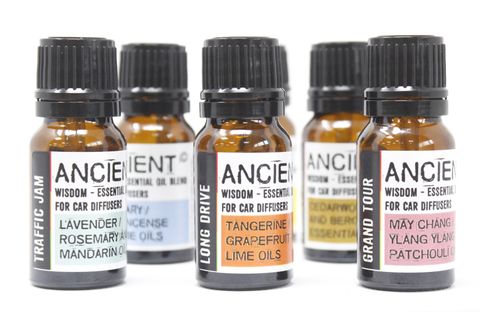
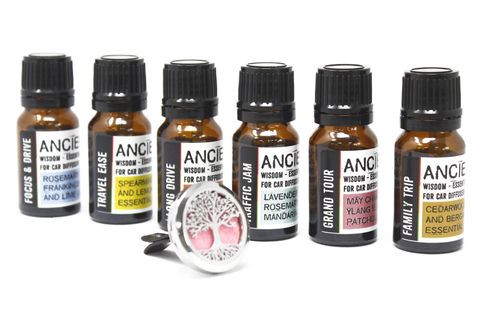
Focus & Drive – 10ml Travel Aromatherapy Blend | Pure Essential Oils for Mental Clarity & Concentration
Regular price £4.00Regular priceUnit price per -
Traffic Jam – 10ml Travel Aromatherapy Blend | Pure Essential Oils for Patience & Focus
Regular price £4.00Regular priceUnit price per -
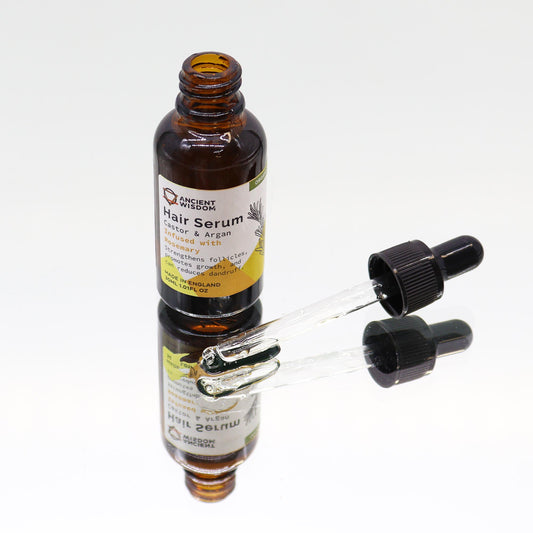
Organic Castor & Argan Oil Hair Serum – Rosemary 30ml | Hair Growth & Scalp Circulation Support
Regular price £5.00Regular priceUnit price per -
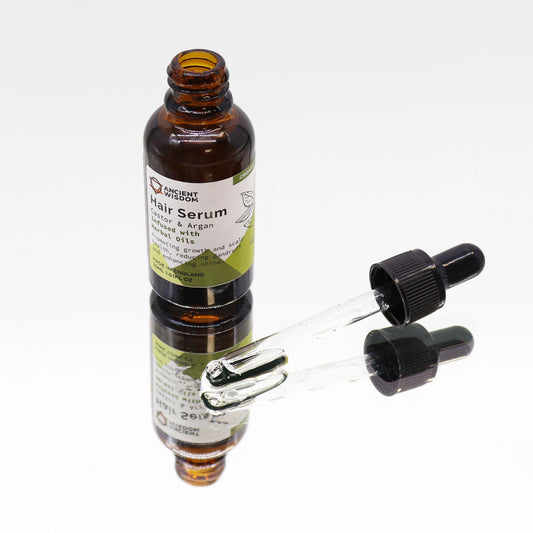
Organic Castor & Argan Oil Hair Serum – Herbal 30ml | Growth & Scalp Health Complex
Regular price £5.00Regular priceUnit price per -
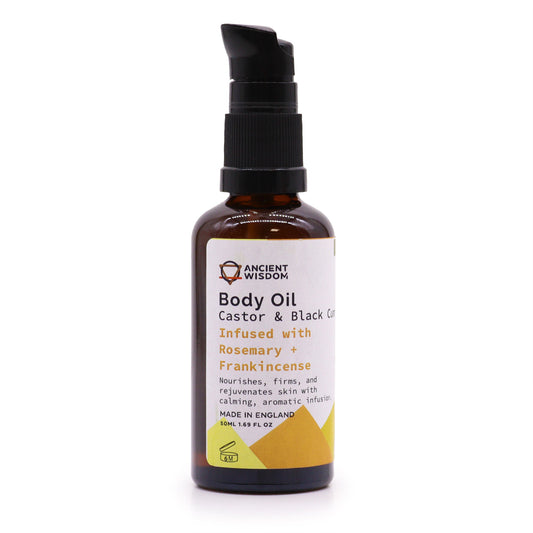
Organic Castor & Black Cumin Seed Body Oil – Rosemary & Frankincense 50ml | Infused with Pure Essential Oil
Regular price £6.10Regular priceUnit price per -
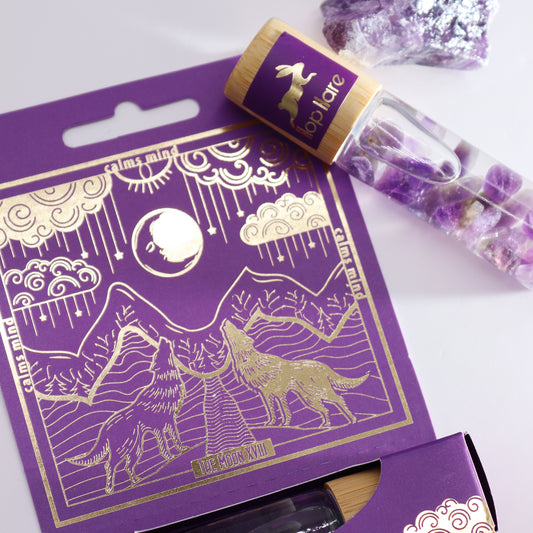
The Moon – Hope Hare Gemstone Essential Oil Roll On | Amethyst with Lavender, Rosemary, Cedarwood & Chamomile
Regular price £12.00Regular priceUnit price per -
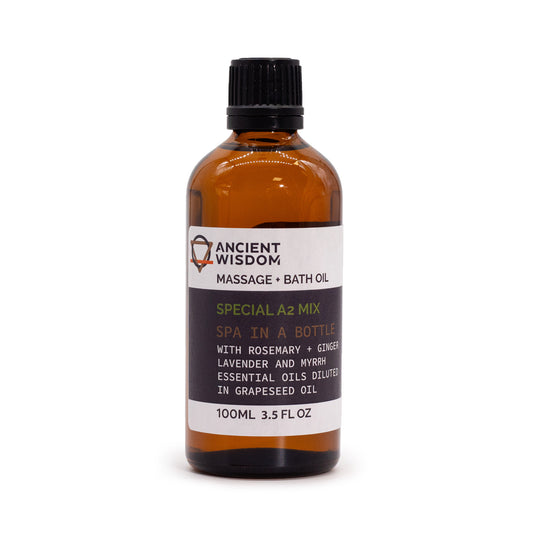
Regenerate Special A2 Massage & Bath Oil – 100ml | Rosemary, Ginger, Lavender & Myrrh
Regular price £7.00Regular priceUnit price per -
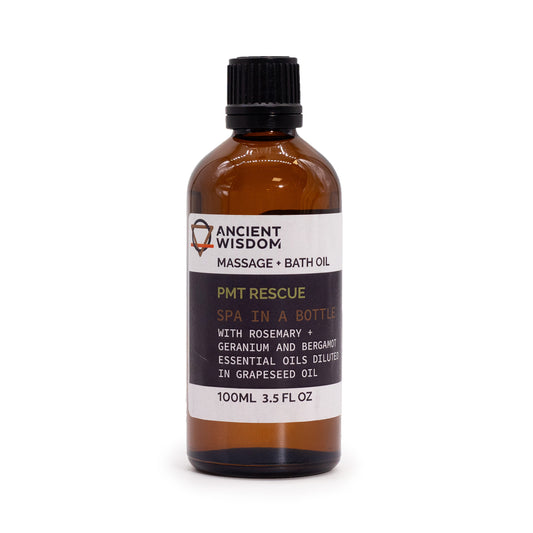
PMT Rescue Massage & Bath Oil – 100ml | Rosemary, Geranium & Bergamot
Regular price £7.00Regular priceUnit price per -
Spicy Rub Massage & Bath Oil – 100ml | Lemon, Rosemary, Black Pepper & Ginger
Regular price £6.20Regular priceUnit price per -
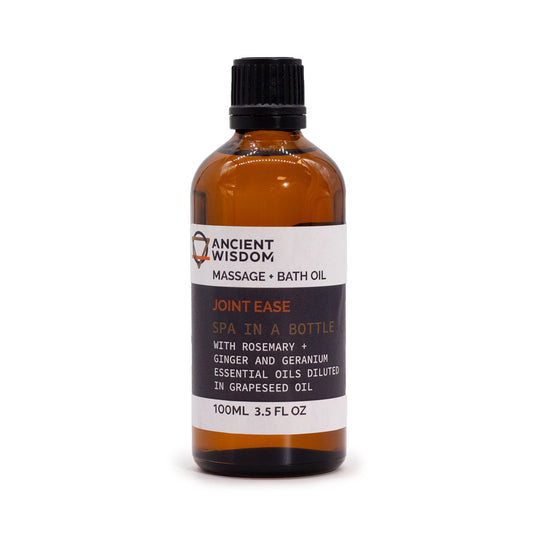
Joint Ease Massage & Bath Oil – 100ml | Rosemary, Ginger & Geranium
Regular price £6.20Regular priceUnit price per -
Joint Ease Massage & Bath Oil – 300ml | Rosemary, Ginger & Geranium
Regular price £15.00Regular priceUnit price per -
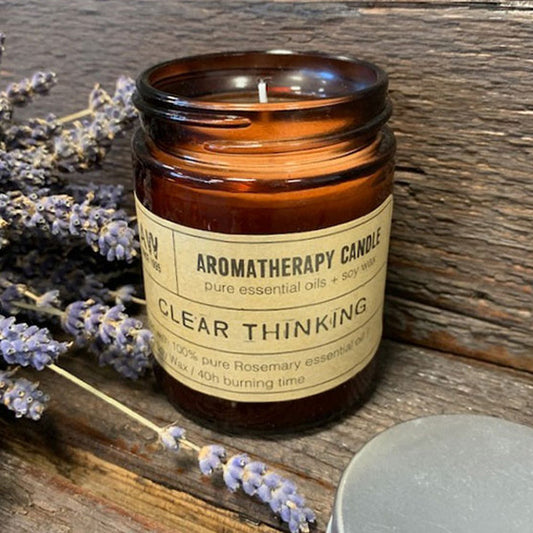
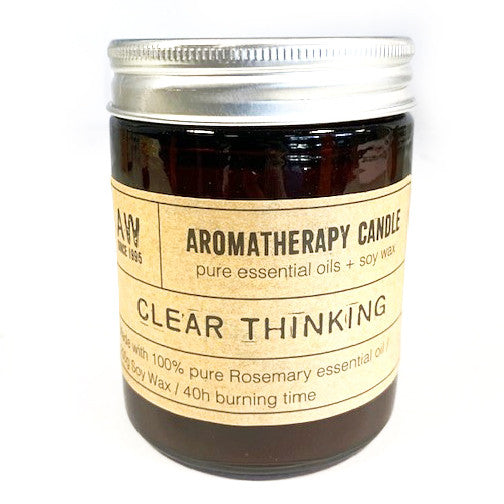
Clear Thinking Aromatherapy Candle – 450g | Soy Wax with Rosemary Essential Oil
Regular price £10.80Regular priceUnit price per -
Rosemary Aromatherapy Candle – 450g | Soy Wax with Pure Essential Oils
Regular price £9.90Regular priceUnit price per -
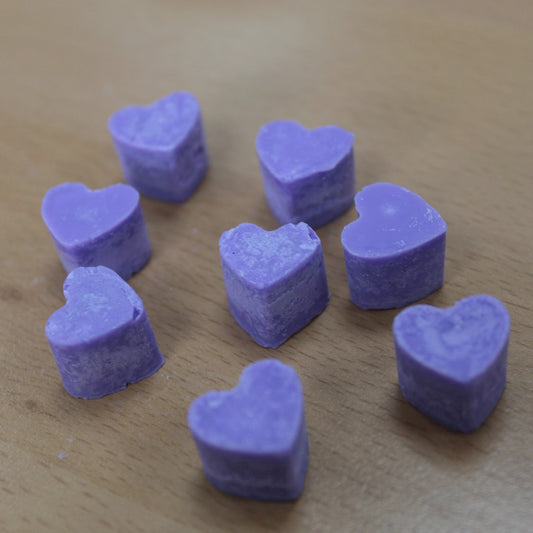
Lavender & Rosemary Aromatherapy Melts – 14-18 Wax Hearts | Pure Essential Oils & Soy Wax
Regular price £8.90Regular priceUnit price per -
Grapefruit & Rosemary Aromatherapy Mist – 100ml | Pure Essential Oils, Yorkshire Water & Distilled Witch Hazel
Regular price £8.60Regular priceUnit price per -
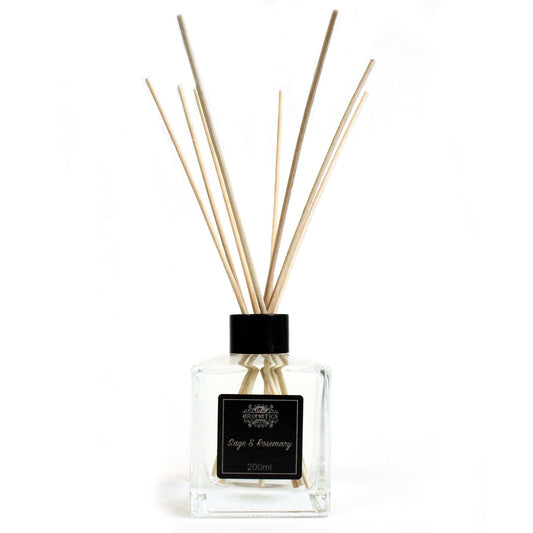
Sage & Rosemary Essential Oil Reed Diffuser – 200ml | Herbal, Clarifying & Stimulating
Regular price £16.20Regular priceUnit price per -
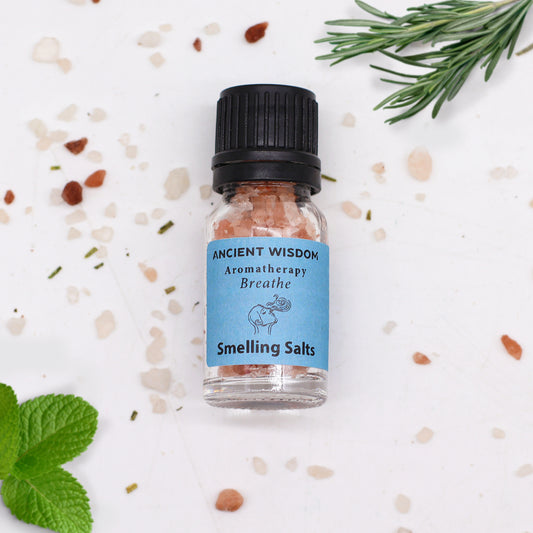
Breathe – Aromatherapy Smelling Salts | Himalayan Salt with Eucalyptus, Peppermint, Camphor, Clove & Rosemary
Regular price £3.00Regular priceUnit price per -
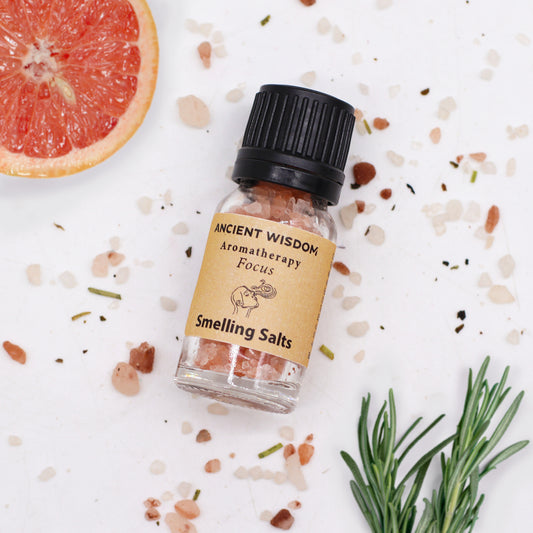
Focus – Aromatherapy Smelling Salts | Himalayan Salt with Peppermint, Rosemary, Lemongrass & Grapefruit
Regular price £3.00Regular priceUnit price per -
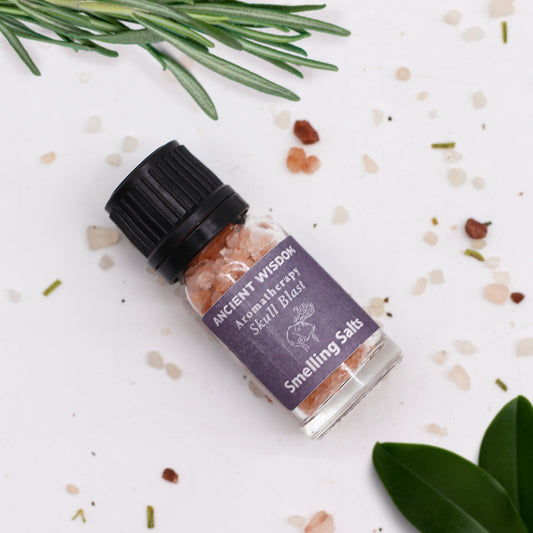
Skull Blast – Aromatherapy Smelling Salts | Himalayan Salt with Peppermint, Eucalyptus, Rosemary & Tea Tree
Regular price £3.00Regular priceUnit price per -
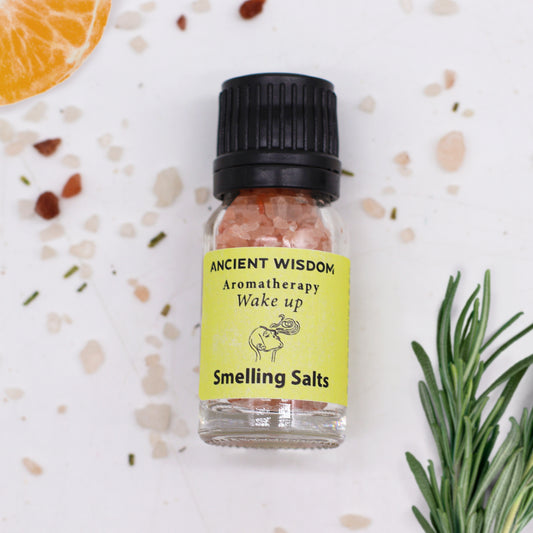
Wake Up – Aromatherapy Smelling Salts | Himalayan Salt with Ravensara, Rosemary, Lemongrass & Mandarin
Regular price £3.00Regular priceUnit price per